
England, a land of rolling hills, historic castles, and charming villages, is also home to some of the quirkiest and most delightful place names in the world. These quaint village names, often steeped in history and folklore, add a touch of whimsy to the English countryside. In this article, we will embark on a linguistic journey to discover the stories behind these peculiar monikers and unravel the charm they bring to England’s landscape.
A Quirk of History
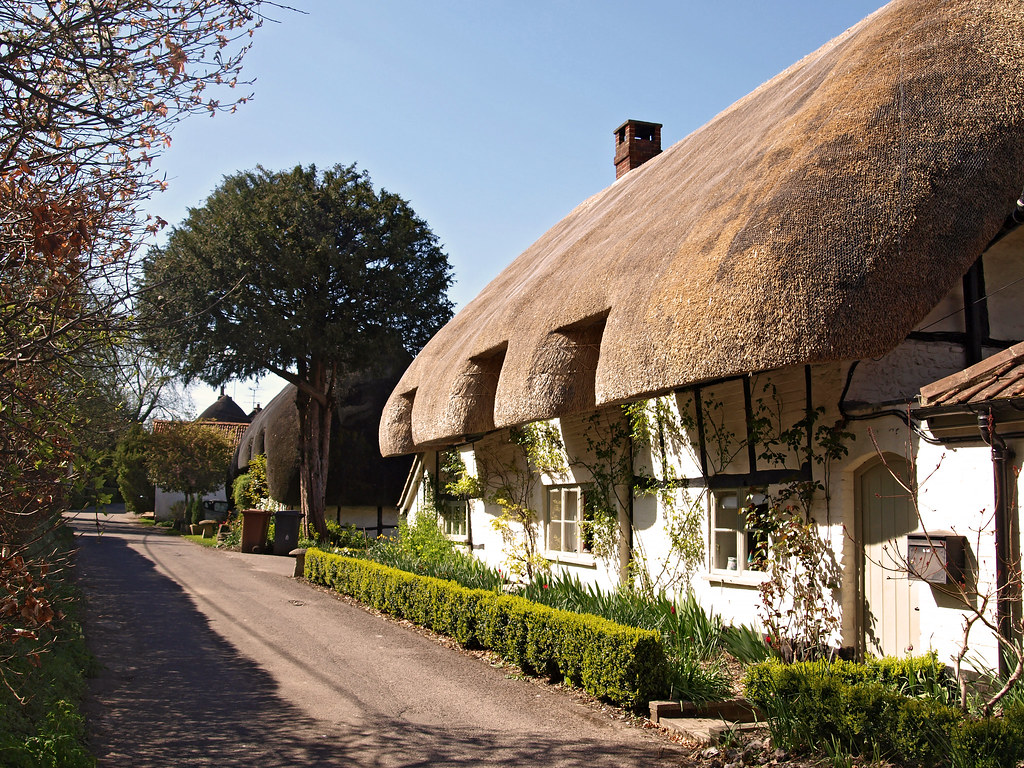
Many of England’s quaint village names have ancient origins, rooted in Old English, Norse, or Celtic languages. They often describe the village’s geographical features, local wildlife, or historical events. For instance, the village of Nether Wallop in Hampshire derives its name from the Old English word «wealh» meaning foreigner, and «hop,» which means enclosed valley—a nod to its picturesque setting.
Eccentricity in Every Name
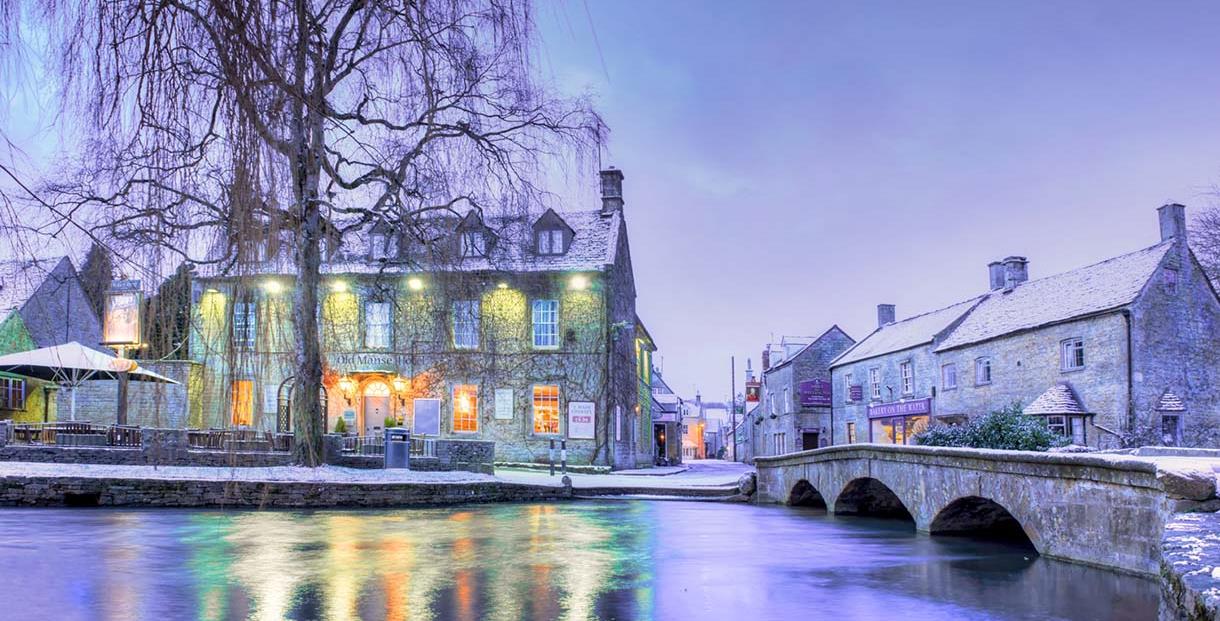
The diversity of England’s village names is nothing short of astonishing. From the picturesque Piddletrenthide in Dorset to the quiet Bourton-on-the-Water in Gloucestershire, each name tells a tale of the village’s unique identity. Some names evoke a sense of mystery, like the village of Lost in Aberdeenshire, while others, such as Beer in Devon, simply make you smile.
Quaintness in Everyday Life
These quirky names have become an integral part of the local culture, shaping the identity of the villages they represent. The residents of these places wear their village names with pride, recognizing the inherent charm they bring to their communities. Quaint names often inspire local businesses, with tearooms, pubs, and inns adopting these monikers to create an atmosphere of rustic charm and warmth.
Tourism and Quaint Appeal
Tourists and travelers are increasingly drawn to villages with peculiar names, seeking to capture a bit of the magic for themselves. Quaint village names have become a marketing asset, attracting visitors who are curious to explore the places behind these enchanting labels. Visitors, in turn, contribute to the local economy, fostering a sense of community and appreciation for the village’s unique heritage.
Conclusion
England’s quaint village names serve as a testament to the nation’s rich history, linguistic diversity, and playful spirit. They remind us that behind every name, there is a story waiting to be discovered—a story that adds depth and character to the places we visit. So, the next time you find yourself in England, take a detour off the beaten path and explore these villages, where the charm of their names is just the beginning of the delightful experiences that await.
Maria L.