
London, the bustling heart of England, has always been a melting pot of culture, art, and entertainment. Among its myriad offerings, the vibrant world of musical theatre has thrived and evolved, becoming an integral part of the city’s rich cultural heritage. Let’s embark on a captivating journey through the history of musicals in London, exploring the enchanting tales, unforgettable melodies, and dazzling performances that have graced its iconic stages.
The Birth of a Phenomenon
The roots of London’s musical theatre scene can be traced back to the 18th century when ballad operas and comic operas gained popularity. However, it was the 19th century that witnessed a significant surge in musical theatre productions. The legendary Gilbert and Sullivan collaboration, marked by timeless classics like «The Pirates of Penzance» and «The Mikado,» became synonymous with Victorian-era musical excellence.
The West End: A Theatrical Mecca
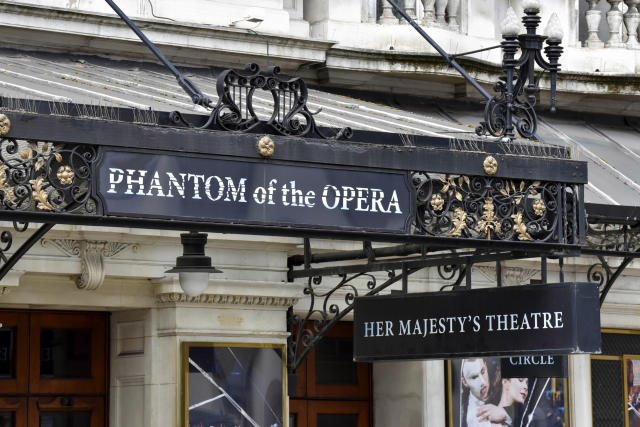
The late 19th and early 20th centuries saw the emergence of London’s West End as a global theatrical hub. The Theatre Royal, Drury Lane, and Her Majesty’s Theatre became iconic venues, hosting spectacular musicals that captured the imagination of audiences. Productions like «Show Boat» in 1928 and «Oliver!» in 1960 set new benchmarks, blending compelling narratives with soul-stirring melodies.
The Golden Age of Musicals
The mid-20th century heralded the Golden Age of Musicals in London. This era saw the birth of classics like «My Fair Lady» (1958) and «West Side Story» (1958), productions that not only defined the genre but also elevated the standards of storytelling and performance. London’s musical theatre scene became a magnet for talent, drawing in actors, composers, and directors from around the world.
Innovations and Experimentations
As the 20th century progressed, London’s musicals embraced innovation. Andrew Lloyd Webber, with his groundbreaking works such as «Jesus Christ Superstar» (1972) and «The Phantom of the Opera» (1986), pushed the boundaries of musical storytelling. These productions introduced intricate narratives, elaborate sets, and memorable scores, captivating audiences and critics alike.
Diversity and Modern Era
The latter part of the 20th century and the early 21st century ushered in a wave of diverse and experimental musicals. London saw the rise of culturally rich productions like «Miss Saigon» (1989) and «The Lion King» (1999), which showcased global stories and celebrated cultural diversity. Additionally, jukebox musicals like «Mamma Mia!» (1999) and «We Will Rock You» (2002) integrated popular music into compelling narratives, resonating with audiences across generations.
Today and Beyond
In the contemporary landscape, London’s musical theatre scene continues to thrive. With an eclectic mix of revivals, original productions, and innovative experiments, the West End remains a beacon of creativity and talent. The integration of technology, immersive experiences, and diverse storytelling techniques ensures that musicals in London remain fresh, exciting, and relevant to the ever-changing tastes of audiences.

The Timeless Classics
- Les Misérables (1985): Adapted from Victor Hugo’s epic novel, this musical has become a global phenomenon, known for its powerful storytelling and emotive music. The revolutionary backdrop and memorable tunes have made it a West End staple for decades.
- The Phantom of the Opera (1986): Andrew Lloyd Webber’s magnum opus, ‘Phantom,’ is a mesmerizing tale of love, mystery, and music. With its haunting melodies and opulent sets, it has become one of the longest-running musicals in London’s history.
- Cats (1981): Based on T.S. Eliot’s whimsical poems, ‘Cats’ brought feline grace and charm to the stage. Andrew Lloyd Webber’s compositions, coupled with avant-garde choreography, made it an instant classic.
Record-Breaking Hits
- Mamma Mia! (1999): Featuring the timeless songs of ABBA, ‘Mamma Mia!’ transformed jukebox musicals. Its infectious energy and feel-good factor made it an international sensation, inspiring a hit film series as well.
- The Lion King (1999): Bringing the African savannah to life, this musical, with its stunning puppetry and heartwarming story, has enchanted audiences of all ages. Its innovative use of costumes and sets set new standards for theatrical creativity.
Groundbreaking Productions
- Miss Saigon (1989): A poignant tale set during the Vietnam War, ‘Miss Saigon’ tackled themes of love, loss, and sacrifice. Its emotional depth and spectacular staging earned critical acclaim, making it a landmark production.
- Hamilton (2017): Lin-Manuel Miranda’s revolutionary musical about the life of Alexander Hamilton blended hip-hop, R&B, and traditional show tunes. Its diverse cast and innovative storytelling have redefined the musical theatre landscape.
British Ingenuity
- Oliver! (1960): Based on Charles Dickens’ ‘Oliver Twist,’ this musical brought the squalor and charm of Victorian London to the stage. Lionel Bart’s memorable songs and the endearing characters made it an instant classic.
- My Fair Lady (1958): Adapted from George Bernard Shaw’s ‘Pygmalion,’ this musical, with its witty dialogue and memorable tunes, has been a hallmark of sophistication and charm, setting the stage for future classics.
Modern Marvels
- Harry Potter and the Cursed Child (2016): This groundbreaking production brought the wizarding world of Harry Potter to the stage. With its magical effects and compelling narrative, it became an instant hit, captivating both fans and newcomers alike.
- Six (2018): A revolutionary musical, ‘Six’ reimagines the lives of Henry VIII’s six wives as a pop concert. Its empowering themes and contemporary music have resonated with younger audiences, making it a fresh and exciting addition to London’s musical landscape.
As London’s West End continues to shine brightly, these musicals stand as testaments to the city’s artistic prowess and enduring appeal. Each production, with its unique flair and creativity, has contributed to the vibrant tapestry of musical theatre, ensuring that London remains a global epicenter for this beloved art form.
In conclusion, the history of musicals in London is a captivating tale of artistic evolution, creative brilliance, and cultural diversity. From the quaint stages of the 18th century to the high-tech productions of today, musical theatre in London has come a long way, leaving an indelible mark on the global entertainment landscape. As the curtains rise on new productions and the melodies echo through historic theatres, the legacy of London’s musicals continues to enchant, inspire, and unite audiences from all walks of life.
Maria L.
It is perfect time to make some plans for the future and it is time to be happy.
I have read this post and if I could I wish to suggest you some interesting
things or tips. Perhaps you can write next articles referring
to this article. I wish to read more things about it!
It’s appropriate time to make some plans for the longer term
and it’s time to be happy. I’ve learn this publish and if I could I wish to suggest you some interesting issues or suggestions.
Maybe you could write subsequent articles relating to this article.
I want to learn even more things about it!