
The Tower of London is one of the most iconic landmarks in Britain, steeped in over a millennium of history. While it is widely known for its role as a fortress, prison, and home of the Crown Jewels, one of its lesser-known yet most enduring traditions is the Ceremony of the Keys. This daily event, dating back over 700 years, is a symbol of both continuity and the enduring heritage of the United Kingdom. Let’s take a closer look at this fascinating ceremony that has stood the test of time.
Historical Significance
The Ceremony of the Keys is a nightly ritual that marks the official closing of the Tower of London. It originated in the 14th century, during the reign of Edward III, as a security measure to protect the tower and its treasures, including the Crown Jewels, and those imprisoned within its walls. The Tower, once considered a royal residence, needed to be locked at night to safeguard the monarch’s assets and prevent unwanted entry.
Over time, as the Tower transitioned from a royal residence to a ceremonial and tourist landmark, the Ceremony of the Keys retained its importance, symbolizing the British commitment to tradition, order, and duty. Even through wars, fires, and political turmoil, the ceremony has been carried out every night without fail.
The Key Players
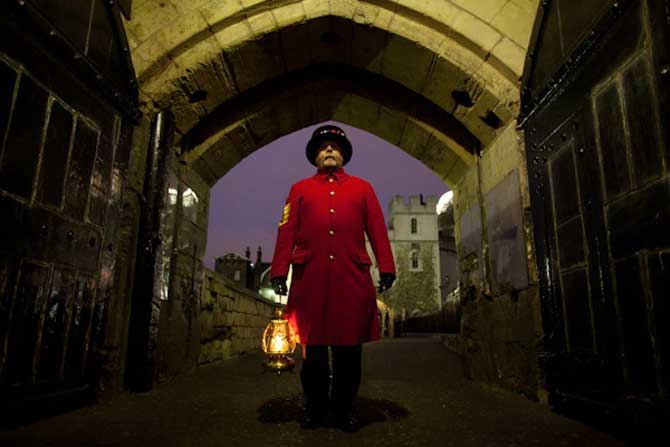
The Ceremony of the Keys is carried out by the Tower’s Yeoman Warders, often called «Beefeaters.» These ceremonial guardians of the Tower, who were established by Henry VII in 1485, are retired members of the British Armed Forces with at least 22 years of service. Each evening, one Yeoman Warder is responsible for locking the Tower’s gates, a role that he or she approaches with utmost solemnity.
The key figure in the ceremony is the Chief Yeoman Warder, who is accompanied by a military escort from the Tower’s garrison. Together, they carry out the ritual of securing the main gates, making this daily event not only a historic reenactment but also a continued act of real security.
The Ritual
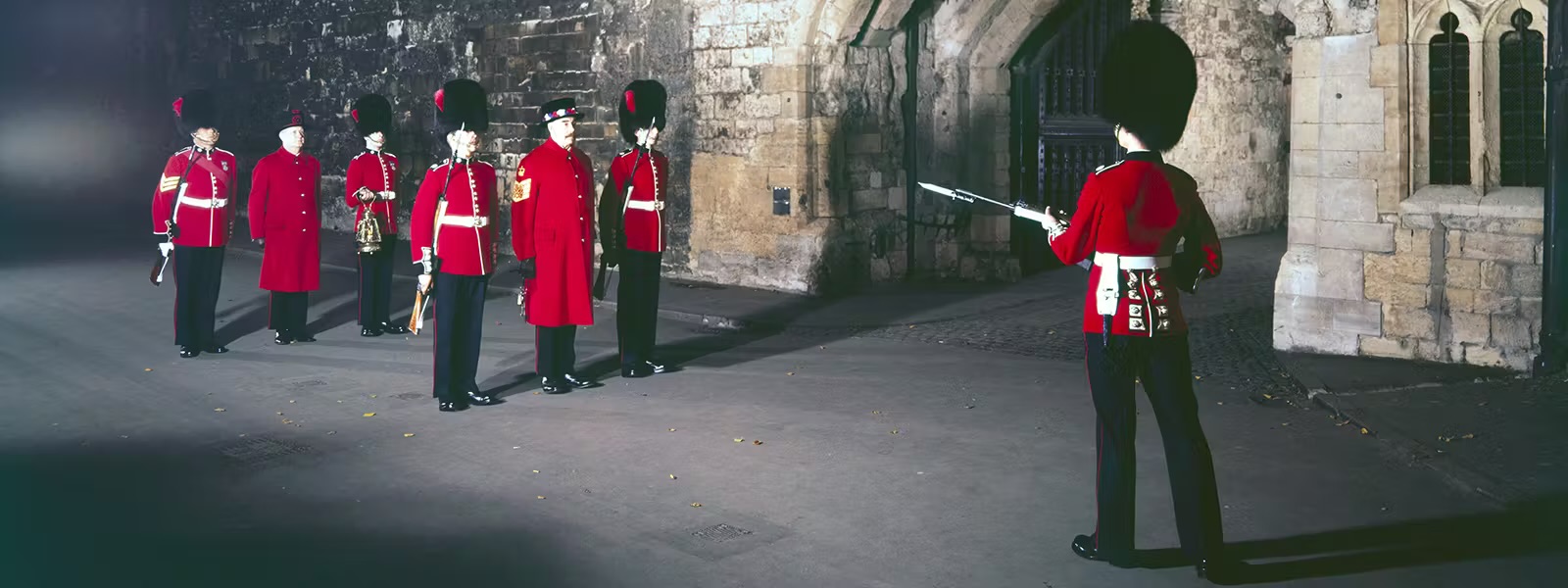
Every night at exactly 9:53 PM, the ceremony begins. The Chief Yeoman Warder emerges from the Byward Tower, carrying a lantern in one hand and the Queen’s Keys in the other. He is met by a military escort, typically made up of four guards. Together, they walk to lock the outer gates of the Tower.
After the gates are locked, the group walks back to the Middle and Byward Towers. As they approach the sentry, the Chief Yeoman Warder and the soldiers halt. The sentry, aware of the approaching figures, calls out, “Halt, who comes there?”
The Chief Yeoman Warder responds with the traditional phrase: “The Keys.”
“The Queen’s Keys, who’s Keys?” asks the sentry.
“The Queen’s Keys!” the Yeoman Warder responds.
“Pass, Queen’s Keys. All is well,” says the sentry, granting permission to proceed.
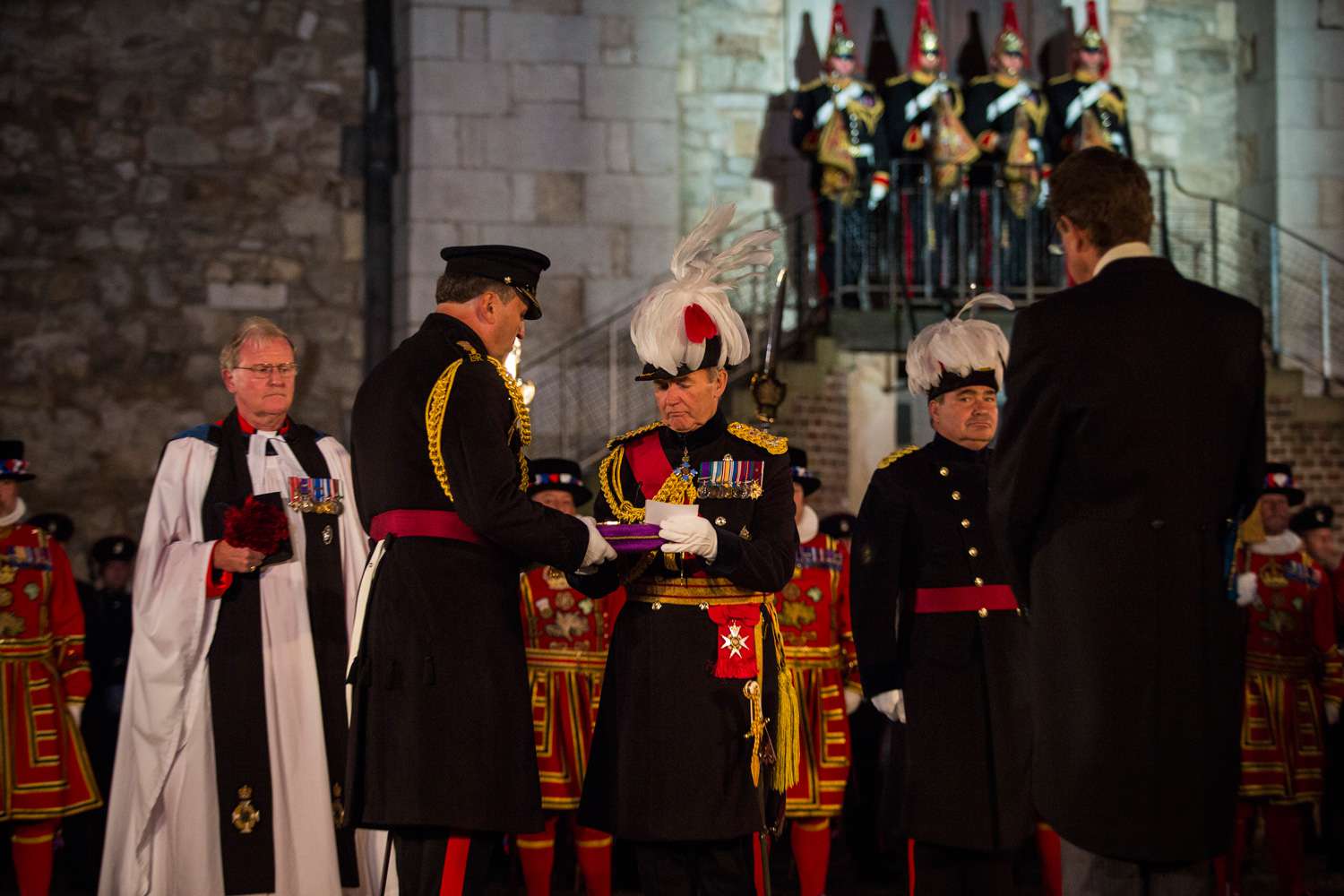
After this brief exchange, the Chief Yeoman Warder and the guards march to the Bloody Tower archway, where the Tower Guard presents arms. They then proceed to the Queen’s House, where the keys are handed to the Resident Governor of the Tower for safekeeping overnight. Finally, the Tower bell rings out, signifying the completion of the ritual. The Chief Yeoman Warder concludes by exclaiming, «God preserve King Charles» (or «the Queen» during the reign of a female monarch), before the soldiers return to their posts.
Unbroken Tradition
A remarkable aspect of the Ceremony of the Keys is its unbroken history. Even during the darkest days of World War II, the ceremony continued uninterrupted. In one famous incident in 1940, during a bombing raid by the Luftwaffe, the ceremony was delayed due to an air raid, but it was completed as soon as the bombing ceased. The next day, a letter of apology was sent to King George VI, explaining the brief delay in the nightly ritual. His reply was simple: «The ceremony must always take place.»
Attending the Ceremony
Today, the Ceremony of the Keys remains one of the most popular attractions for visitors to the Tower of London. While the event itself is not grand or ostentatious, it carries immense significance, and tickets to attend are highly sought after. The Tower allows a limited number of visitors each night to witness the ancient tradition in action, creating an intimate atmosphere that brings the history of the Tower to life.
Visitors are reminded that the ceremony is not a reenactment but a genuine part of the Tower’s daily operations. The reverence and precision with which the event is carried out highlight the British respect for tradition and duty.
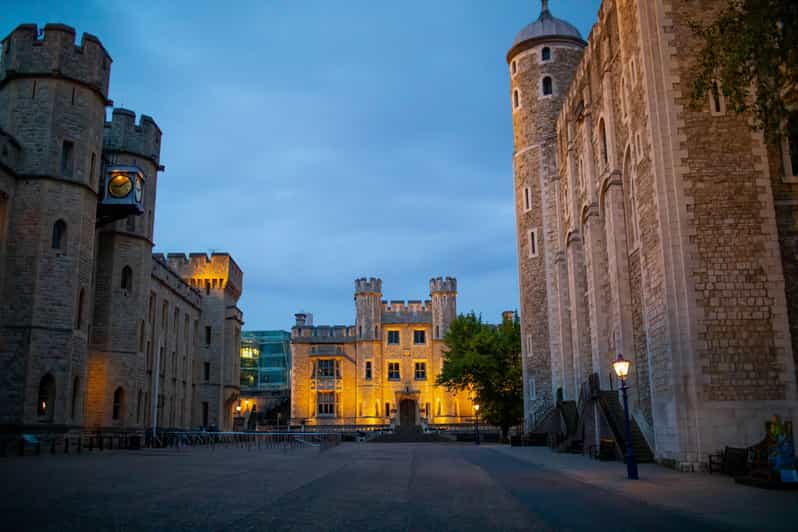
The Ceremony of the Keys is much more than a quaint historic custom—it is a living tradition that links the modern world to the deep and storied past of the Tower of London. Its unbroken performance for centuries symbolizes stability, security, and respect for the past, making it one of the most enduring and symbolic rituals in British history. As long as the Tower stands, the Ceremony of the Keys will continue to echo through its walls, night after night.
Maria L.