
London, the vibrant heart of the United Kingdom, is a city rich in history and culture. From its ancient beginnings as a Roman settlement to its development into a global hub of commerce, politics, and the arts, London has been shaped by centuries of change. One of its most enduring legacies is its deep connection with literature, serving as both a muse and home to some of the world’s greatest writers. In this article, we explore the historical evolution of London and its profound impact on literature, focusing on the famous writers who have immortalized the city in their works.

Early History: Roman Foundations and Medieval Growth
London’s story begins in the 1st century AD, when the Romans established the settlement of Londinium along the banks of the River Thames. Its strategic location made it an important trading post, and by the 2nd century, Londinium had become the capital of Roman Britain. However, after the fall of the Roman Empire in the 5th century, the city declined and fell into obscurity until the Saxons revived it several centuries later.
During the medieval period, London grew as a center of commerce and governance, particularly after the Norman Conquest of 1066. The construction of iconic landmarks like the Tower of London and Westminster Abbey marked the city’s rise in importance. By the 12th and 13th centuries, London had developed into a bustling metropolis, with its markets and guilds shaping the daily life of its citizens. This period also saw the establishment of the first iterations of the English Parliament, solidifying London’s political influence.
The Renaissance and Shakespeare’s London
The Renaissance in the 16th century was a transformative period for London, particularly in the arts. The reign of Queen Elizabeth I saw the flowering of English literature, and no figure is more closely associated with this era than William Shakespeare.
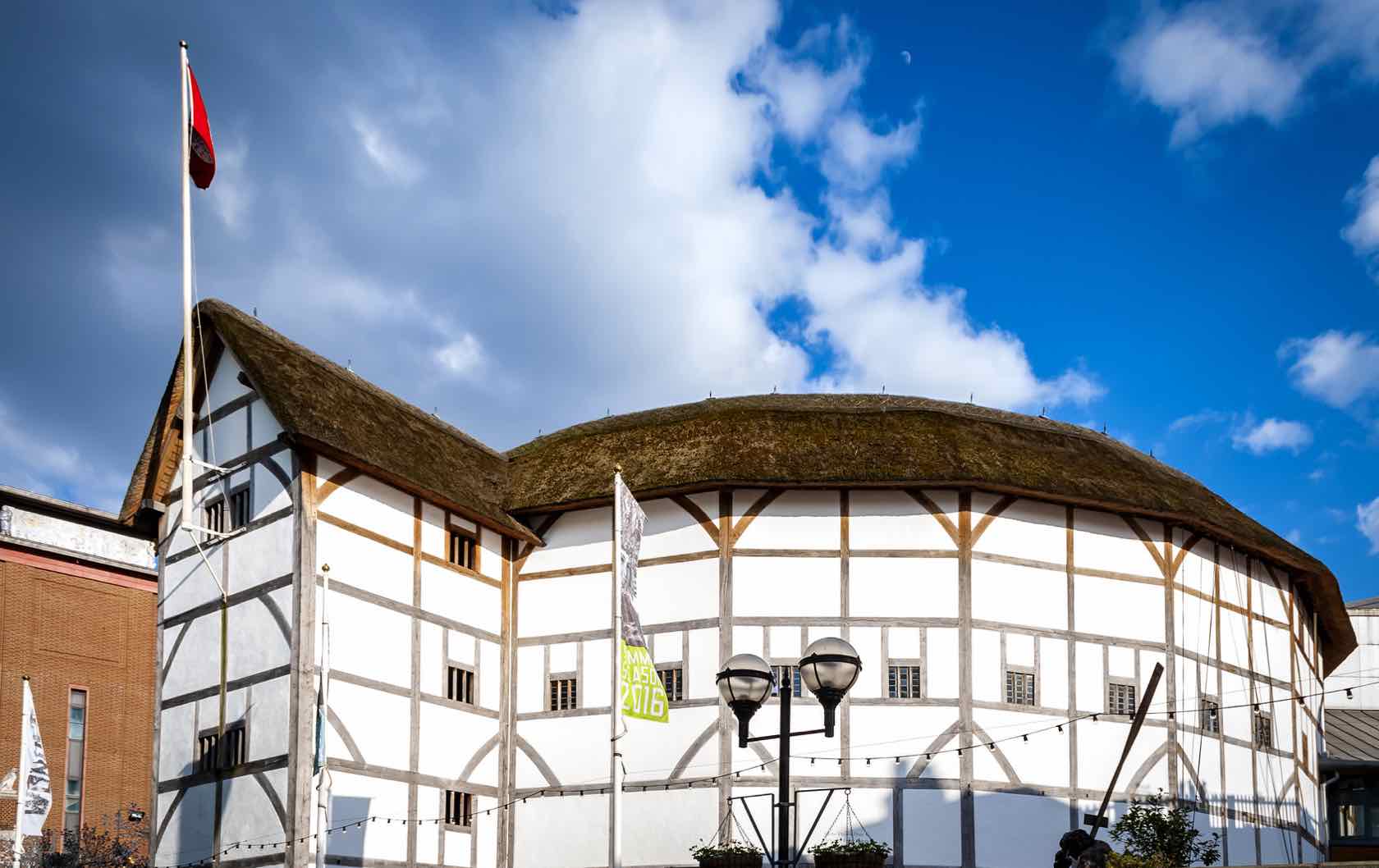
Shakespeare, arguably the greatest playwright in history, spent much of his life in London. His works, including Hamlet, Macbeth, and Romeo and Juliet, were performed at the Globe Theatre, a wooden playhouse on the south bank of the Thames. Shakespeare’s profound influence on the English language and storytelling continues to be felt today, and his portrayal of London in plays like Henry IV and The Merry Wives of Windsor offers glimpses of the city’s vibrancy during the Elizabethan era.
The 17th and 18th Centuries: From Restoration to Enlightenment
In the 17th century, London underwent dramatic changes, many of them shaped by political upheaval and natural disaster. The Great Fire of London in 1666 devastated much of the city, but it also led to a period of reconstruction. Under the direction of architect Sir Christopher Wren, landmarks like St. Paul’s Cathedral were rebuilt, giving London a new architectural identity.
During this period, London also became a center of intellectual and literary life, driven by the Enlightenment ideals of reason and inquiry. John Milton, famous for his epic poem Paradise Lost, lived and worked in London during the 17th century. His writings not only addressed religious and philosophical themes but also reflected the political turbulence of the time, particularly during the English Civil War.
The 18th century brought the rise of the novel as a literary form, and London became both the setting and subject of many works. Daniel Defoe’s Robinson Crusoe (1719) and Samuel Richardson’s Pamela (1740) were among the earliest examples of the English novel, and both writers had deep connections to the city. Defoe, a prolific writer and journalist, captured the spirit of London’s mercantile life, while Richardson’s novels explored the social complexities of urban life.
The Victorian Era: Dickens and the Industrial Revolution
No period in London’s literary history is as synonymous with a single writer as the Victorian era is with Charles Dickens. The 19th century was a time of immense change for London, as the Industrial Revolution transformed the city into the world’s largest and wealthiest metropolis. However, this prosperity came with deep social inequalities, which Dickens captured vividly in his novels.
In works like Oliver Twist, A Christmas Carol, and Bleak House, Dickens portrayed the hardships of the urban poor, the struggles of orphaned children, and the corrupt institutions of Victorian society. His descriptions of London’s foggy streets, workhouses, and bustling markets have become some of the most iconic images of the city in literature. Dickens himself knew the city well, having lived in various parts of London and walked its streets for inspiration.
Other notable writers of the Victorian era who were closely linked to London include George Eliot (author of Middlemarch) and Thomas Hardy, whose novel The Mayor of Casterbridge explores the tension between rural and urban life. Oscar Wilde, with his sharp wit and satire, also used London as a backdrop for his plays and novels, such as The Importance of Being Earnest.

The 20th Century: Modernism and Beyond
As the 20th century dawned, London became a focal point for modernist writers who sought to break away from the conventions of Victorian literature. Virginia Woolf, a central figure in the Bloomsbury Group, used London as both a setting and a symbol in her works. Her novel Mrs. Dalloway (1925), set in a single day in London, is a masterpiece of modernist technique, using stream of consciousness to explore the inner lives of its characters.
Woolf’s contemporary, T.S. Eliot, though born in America, became a British citizen and lived much of his life in London. His poem The Waste Land (1922) is a seminal modernist work, filled with fragmented images of the city and its post-World War I disillusionment.
In the mid-20th century, London continued to inspire writers from various backgrounds. George Orwell, famous for 1984and Animal Farm, wrote about the poverty and political struggles of the interwar period, often drawing from his own experiences in the city. Graham Greene, known for his novels exploring the moral complexities of the human condition, also used London as a backdrop for many of his works, including The End of the Affair.

Contemporary London: A Global City in Literature
Today, London is a global city, home to millions of people from diverse cultural backgrounds. Its literary scene reflects this cosmopolitan identity, with contemporary writers continuing to draw inspiration from the city’s dynamic and ever-changing landscape. Authors like Zadie Smith (White Teeth) and Hanif Kureishi (The Buddha of Suburbia) have explored themes of immigration, identity, and multiculturalism in modern London.
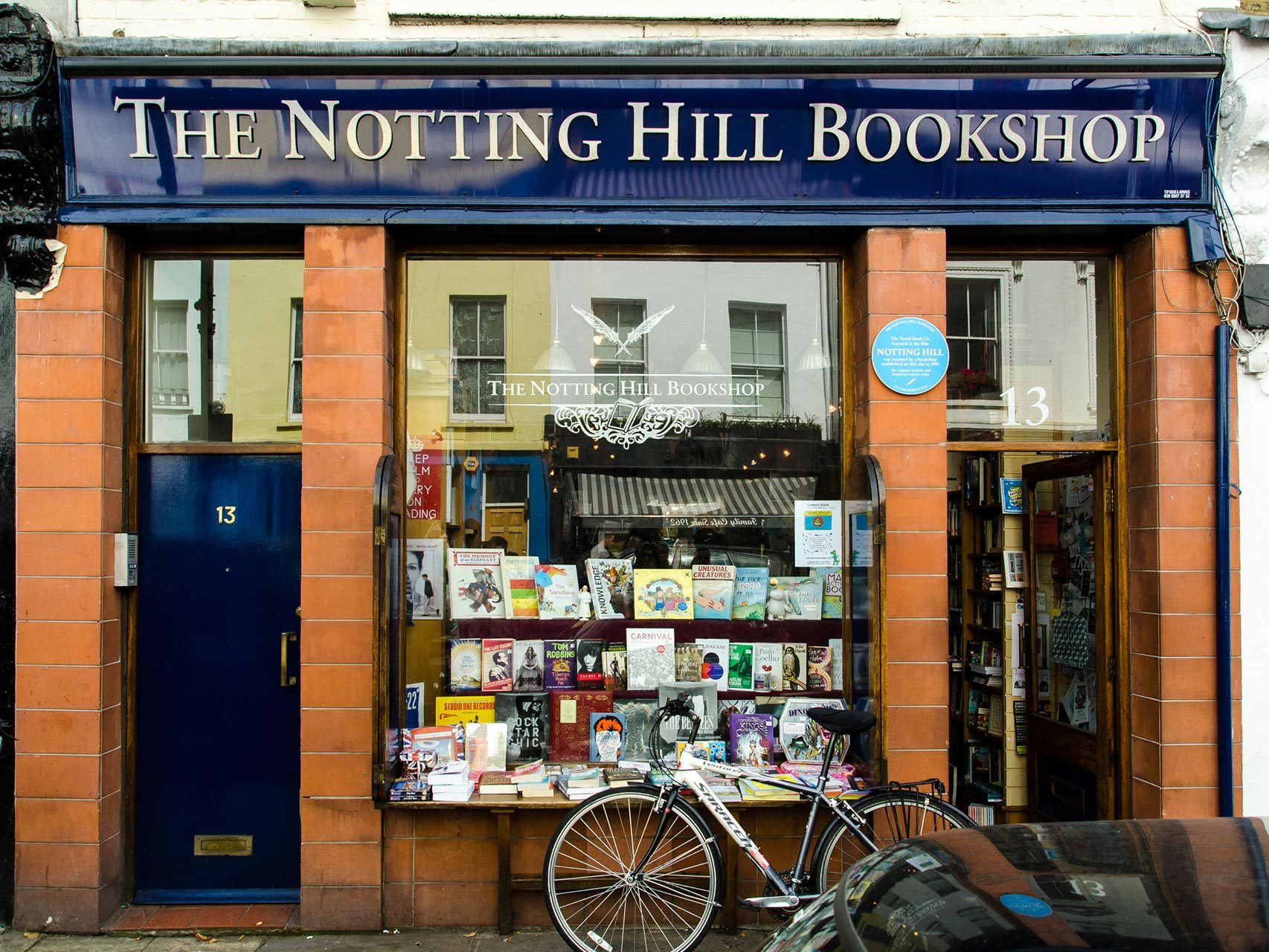
Ian McEwan, one of the most celebrated British novelists of the late 20th and early 21st centuries, often sets his stories in London, with novels like Atonement and Saturday delving into the city’s psychological and social complexities. The city’s rich literary heritage is also celebrated through festivals, bookstores, and the preservation of historic sites such as the homes of famous writers.
From the days of Roman Londinium to its present status as a global cultural capital, London has been a city of great historical and literary significance. Its streets, landmarks, and social dynamics have inspired some of the greatest works of English literature, and its writers—from Shakespeare to Dickens, Woolf to Smith—have in turn shaped how the world sees and understands this remarkable city. London remains a living, breathing muse for writers, with its ever-changing face continuing to inspire new generations of storytellers.
Maria L.