
English cuisine has a history as rich and diverse as the landscapes that make up the United Kingdom. From hearty traditional dishes to modern gastronomic innovations, exploring English food reveals a tapestry of flavors and a handful of intriguing curiosities that have shaped its culinary identity.
1. The Iconic Full English Breakfast: The English breakfast is a hearty morning meal that has become a symbol of British cuisine. Featuring bacon, sausages, eggs, beans, tomatoes, mushrooms, and toast, this indulgent feast reflects the British appetite for a substantial start to the day.
2. The Enigmatic Yorkshire Pudding: Despite its name, the Yorkshire pudding is not a dessert. This crispy, puffy baked good is often served alongside roast meats and gravy. Its origin dates back to the 18th century, where it was initially served as a way to stretch the meat during meals.
3. The Intrigue of Black Pudding: A delicacy that may raise eyebrows, black pudding is a blood sausage made from pork blood, fat, and oats. Often a part of a traditional breakfast, its rich flavor and unique texture have earned it a place on the English culinary map.
4. Afternoon Tea Tradition: Afternoon tea is a quintessential English tradition. Introduced in the 19th century by Anna, the Duchess of Bedford, it involves tea served with a selection of sandwiches, scones, and pastries. This ritual has since become an elegant and social occasion.
5. The Mystery of Marmite: Marmite, a sticky spread made from yeast extract, is a polarizing pantry staple. Loved by some and loathed by others, it has sparked debates over its distinct umami flavor. The phrase «you either love it or hate it» is often used to describe people’s reactions to Marmite.
6. Cornish Pasties on the Go: Cornish pasties are handheld savory pies filled with meat, vegetables, and sometimes even sweet fillings. Their unique «D» shape served a practical purpose in history – the crimped edge provided a handle for miners to hold while eating, without contaminating the food with their dirty hands.
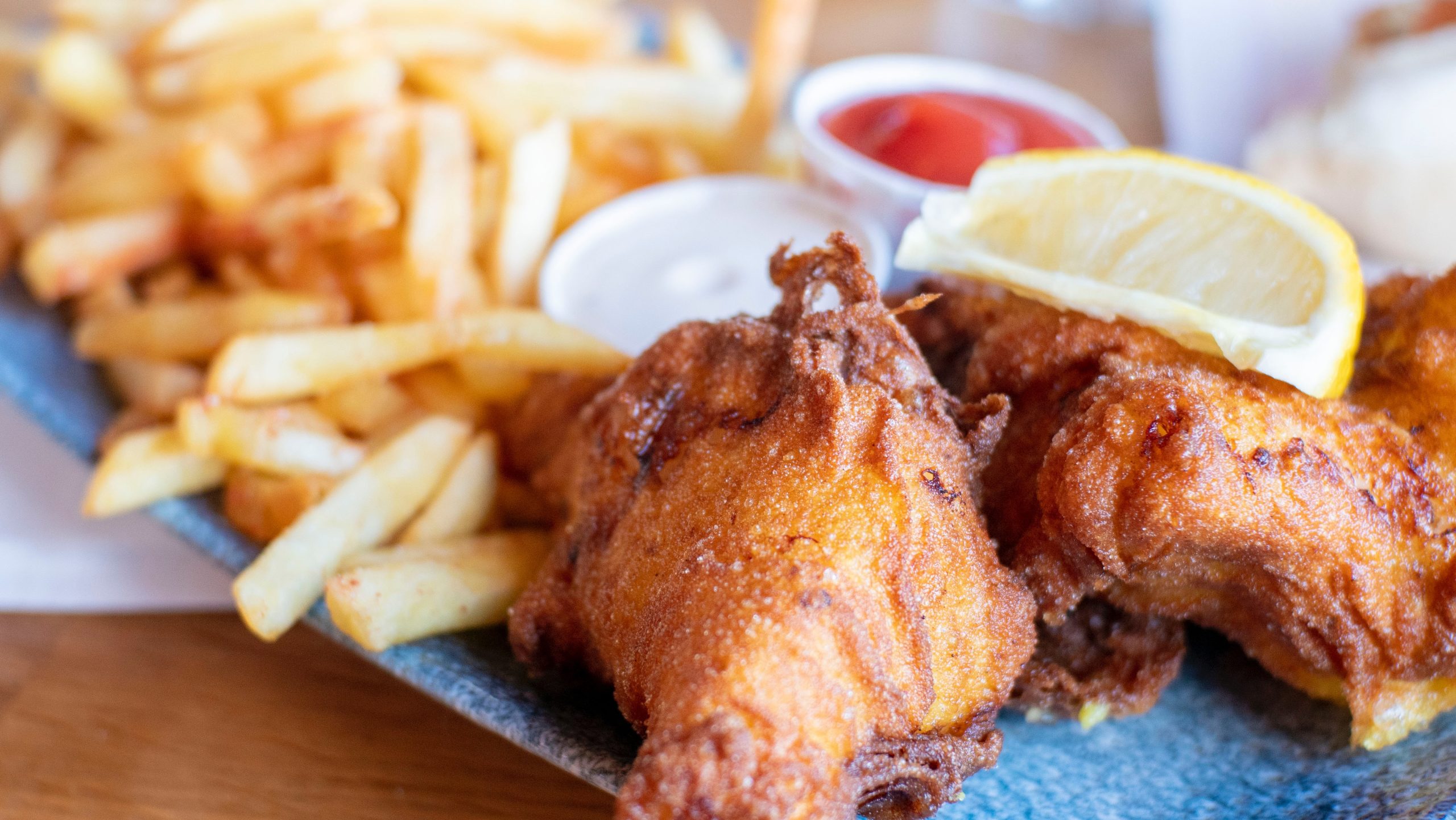
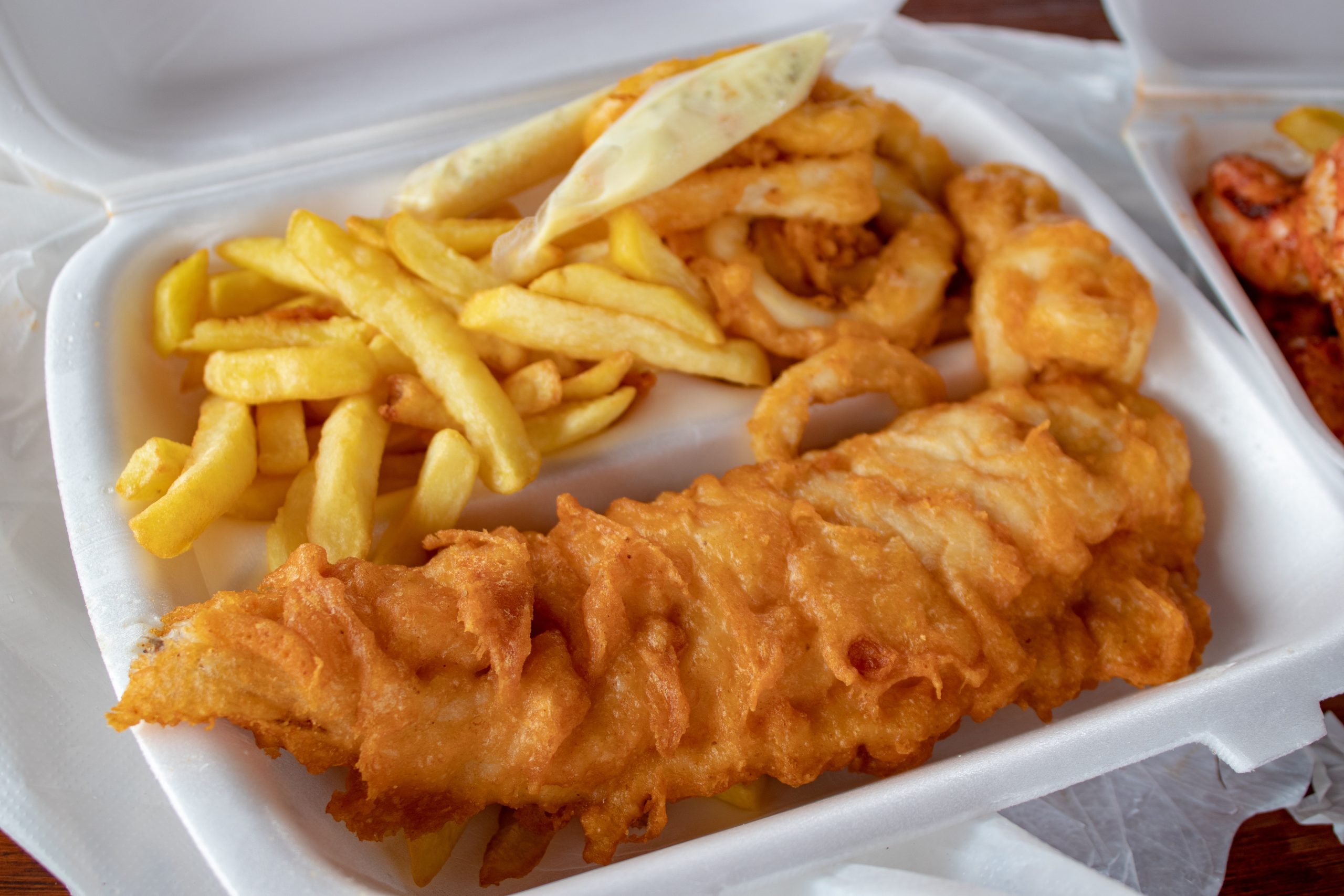
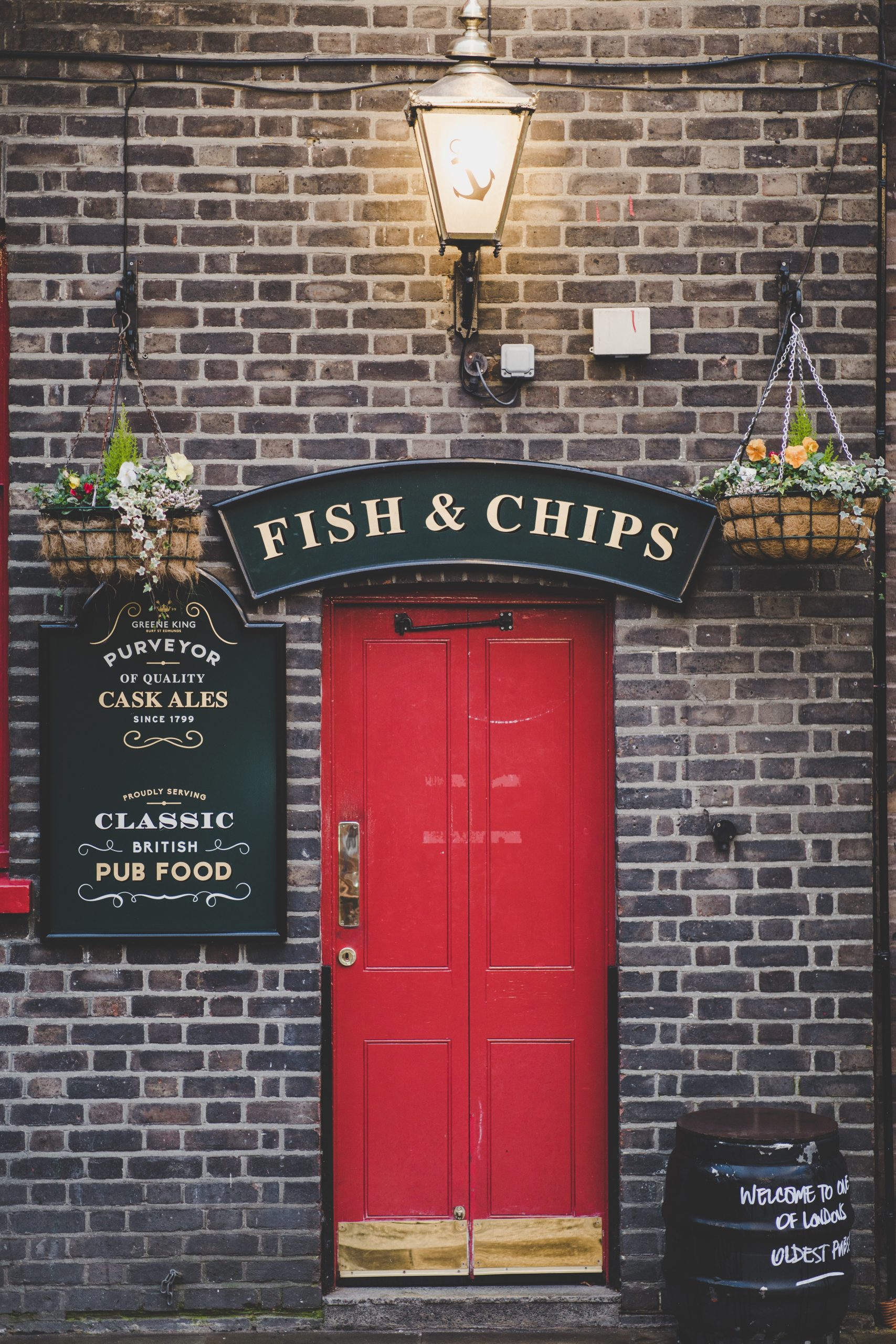
7. Fish and Chips, a Seaside Classic: Fish and chips is an English institution. Dating back to the 19th century, this dish features battered and fried fish served with thick-cut potato fries. It’s often enjoyed wrapped in newspaper for a nostalgic touch, harking back to its coastal origins.
8. The Charm of Puddings: English puddings are a diverse category, ranging from the sweet sticky toffee pudding to the savory steak and kidney pudding. Despite their name, puddings can encompass both desserts and hearty main courses, showcasing the linguistic intricacies of the English language.
9. Eccentric Names, Delicious Fare: English dishes often sport whimsical names like «bubble and squeak» (a dish made from leftover vegetables and potatoes) and «toad in the hole» (sausages baked in Yorkshire pudding batter). These names add a touch of playfulness to the dining experience.
10. Fusion and Modern Innovations: The English culinary scene has evolved over time, embracing global influences and modern culinary techniques. Contemporary British cuisine combines traditional elements with international flavors, resulting in a dynamic and vibrant gastronomic landscape.
In conclusion, English cuisine is a captivating blend of tradition, innovation, and distinctive flavors. From the hearty staples of the past to the modern twists on classic dishes, the world of English food offers an array of curiosities waiting to be explored. So, whether you’re savoring a traditional roast dinner or indulging in a contemporary culinary creation, English cuisine invites you to take a flavorful journey through history and innovation.
Maria L.