
Tennis, a sport of elegance and precision, has a rich history that stretches back centuries. One of its most iconic chapters is the tale of Wimbledon, the oldest and most prestigious tennis tournament in the world.
A Sport with Roots in France
The origins of tennis can be traced back to France in the 12th century when it was played with the palm of the hand. Over time, players began to use a glove, and the game evolved into what was known as «jeu de paume» or «game of the palm.» By the 16th century, rackets were introduced, and the sport took on a more recognizable form.
The Birth of Wimbledon
In 1877, the All England Croquet and Lawn Tennis Club hosted the first Wimbledon Championships. It began as a modest event, with only 22 players participating in the men’s singles tournament. The event quickly gained popularity, and by 1884, women’s singles and men’s doubles were added to the competition.
Traditions and Innovations
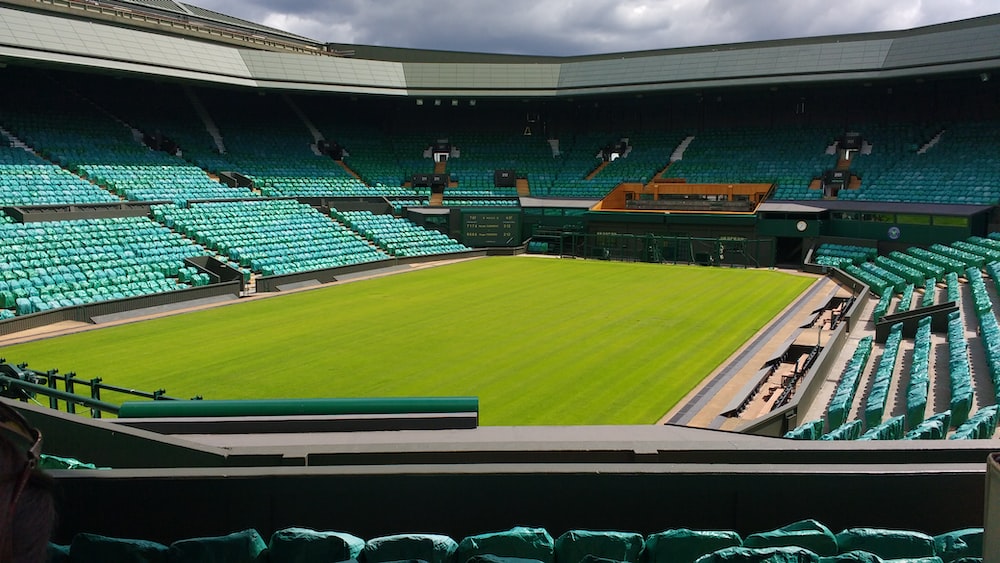
Wimbledon has become synonymous with tradition and prestige. The tournament is known for its meticulously manicured grass courts and its strict adherence to an all-white dress code. The absence of sponsor logos on players’ attire and the use of wooden rackets in the early years are testaments to the tournament’s commitment to heritage.
In 1986, Wimbledon made a historic shift by becoming the last Grand Slam to embrace the tiebreak system in the final set to prevent endless matches. Despite these innovations, the tournament’s character has remained largely unchanged.

Legendary Players and Moments
Wimbledon has witnessed some of the most memorable moments in tennis history. From Bjorn Borg’s five consecutive titles in the late 1970s to Martina Navratilova’s nine Wimbledon victories, the tournament has been graced by legendary players who have left an indelible mark on the sport.
Perhaps the most famous match in Wimbledon history is the 2008 final between Roger Federer and Rafael Nadal, often dubbed the «greatest tennis match ever played.» Nadal narrowly defeated Federer in a thrilling five-set battle that lasted nearly five hours.
Modern Wimbledon
Today, Wimbledon continues to be a jewel in the tennis crown. It attracts players and fans from around the globe who come to witness the best of the best compete on the iconic grass courts. The tournament has also embraced technology, with the introduction of the retractable roof on Centre Court, ensuring that matches can continue even in inclement weather.
Wimbledon’s enduring legacy is a testament to the sport’s ability to capture the hearts and minds of people worldwide. As it continues to evolve and innovate while maintaining its rich traditions, Wimbledon remains a symbol of tennis excellence and sportsmanship.
In the annals of sports history, Wimbledon stands as a timeless institution where the past, present, and future of tennis converge, celebrating the pursuit of greatness on the hallowed lawns of SW19.
Maria L.