
When someone thinks of English culture, certain quintessential elements immediately come to mind: the royal family, double-decker buses, and, of course, the revered tradition of tea-drinking. The history of English tea and the associated tea ceremony is a tale rich with intrigue, global trade, and cultural refinement. This cherished ritual has captured the hearts and cups of people around the world, becoming a symbol of British hospitality and elegance.

A Sip into History
The story of English tea dates back to the 17th century, and its roots are intricately woven into the tapestry of global trade. The English East India Company, established in the early 1600s, played a pivotal role in bringing tea to England. While tea had been a prized commodity in China for centuries, it gradually found its way to the British Islands, enchanting the upper echelons of society with its exotic flavor and perceived health benefits.
By the 18th century, tea had transcended its initial luxury status to become a staple beverage enjoyed by people from various walks of life. The influence of tea on English society was so profound that it even gave rise to the concept of «afternoon tea,» a light meal introduced by Anna, the Duchess of Bedford, in the early 1840s. This delightful tradition, consisting of tea, sandwiches, scones, and pastries, filled the gap between lunch and dinner, setting the stage for the cherished afternoon tea gatherings that continue to this day.
The Ceremonial Elegance
Central to the English tea tradition is the concept of the tea ceremony, a refined practice that blends elegance, etiquette, and warmth. Though less formal than its Japanese counterpart, the English tea ceremony possesses its own unique charm.
The Components of Tea Time
- Tea Selection: The tea itself is a crucial component. Classic English teas include Earl Grey, Assam, and Darjeeling. These teas often accompany a selection of delicate finger sandwiches, scones, clotted cream, and jams.
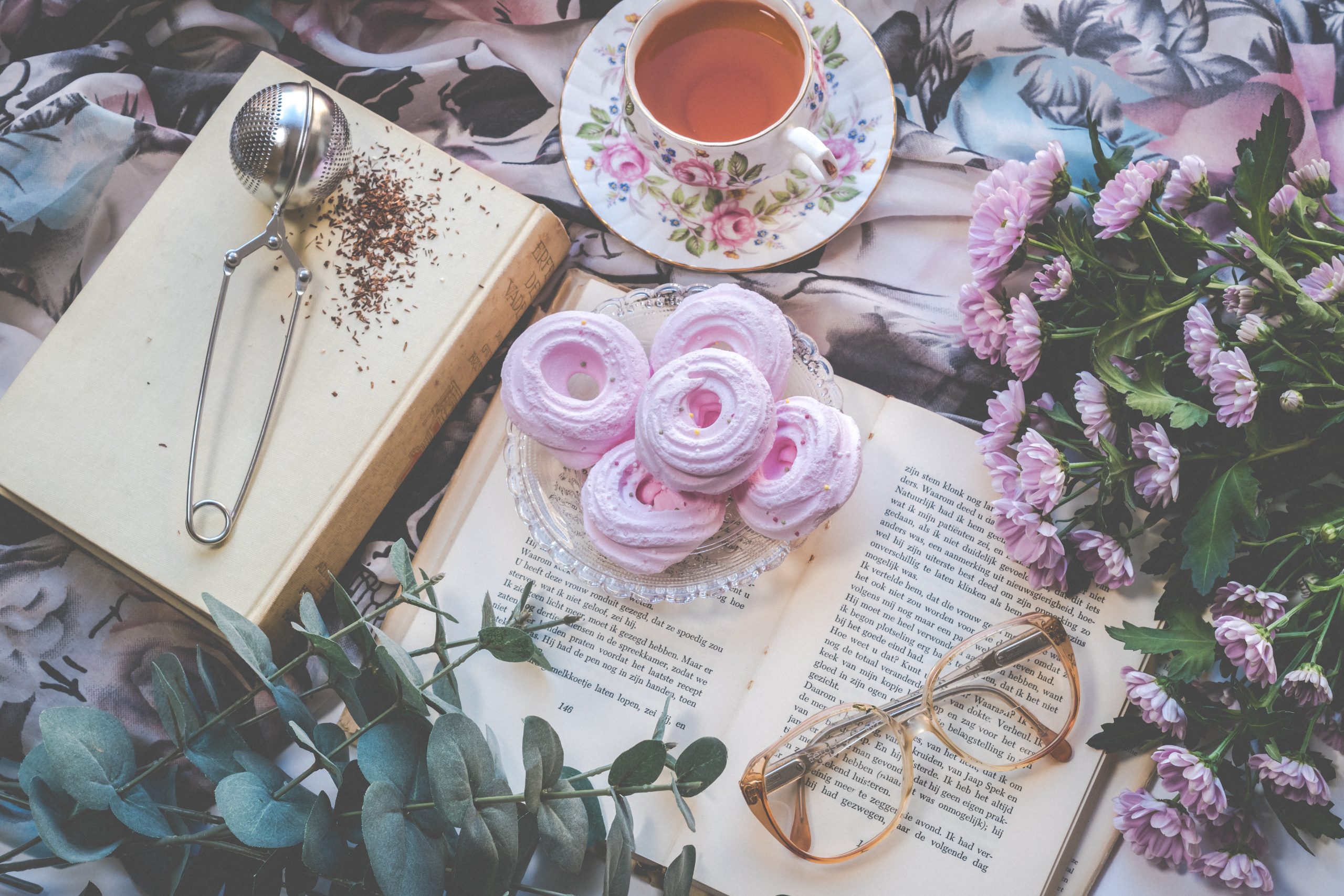
- Teapot and China: The vessel used to brew and serve tea is typically a teapot made of porcelain or fine china. This choice of material not only retains heat effectively but also exudes an air of sophistication.
- Milk First or Last?: A long-standing debate in the English tea world revolves around the proper order of milk addition. The debate’s origins trace back to the early days of porcelain teacups. Adding milk first helped prevent cracking due to the sudden temperature change caused by pouring hot tea into a cold cup. Today, personal preference prevails.
- Accompaniments: The spread includes an array of dainty treats. Scones take the spotlight, traditionally served with clotted cream and jam. The clotted cream and jam debate is another lighthearted point of contention – should the cream or jam be spread on the scone first?
- Etiquette: The English take their tea etiquette seriously. Pinkies down, please! While the pinky-finger stereotype may not be entirely accurate, proper posture and refined manners are certainly emphasized.
Curiosities and Modern Adaptations
The English tea tradition has undergone intriguing evolutions over time. Today, you’ll find a fusion of tradition and modernity. Tea rooms, elegantly designed, offer a variety of tea selections alongside contemporary treats. Afternoon tea has even inspired creative adaptations like «high tea» in some countries, with heartier fare served later in the day.
Furthermore, the tradition extends beyond physical tea rooms. Digital spaces now host virtual tea tastings and classes, allowing enthusiasts from around the globe to partake in the art of tea appreciation.
In Conclusion
The history of English tea and its cherished tea ceremony is a testament to the enduring influence of cultural exchange and the power of a simple beverage to unite people across time and space. As we raise our cups to partake in this beloved tradition, we not only savor the flavors of fine tea but also embrace the elegance, camaraderie, and timeless grace that define the English tea experience.
Maria L.