
As spring blossoms across the rolling green hills and quaint villages of England, the air becomes infused with the scent of daffodils and anticipation for the celebration of Easter. This cherished holiday, deeply rooted in religious significance and intertwined with centuries-old customs, holds a special place in the hearts of Britons. Let’s delve into the rich tapestry of Easter traditions in England, exploring some of the most intriguing curiosities along the way.
Hot Cross Buns
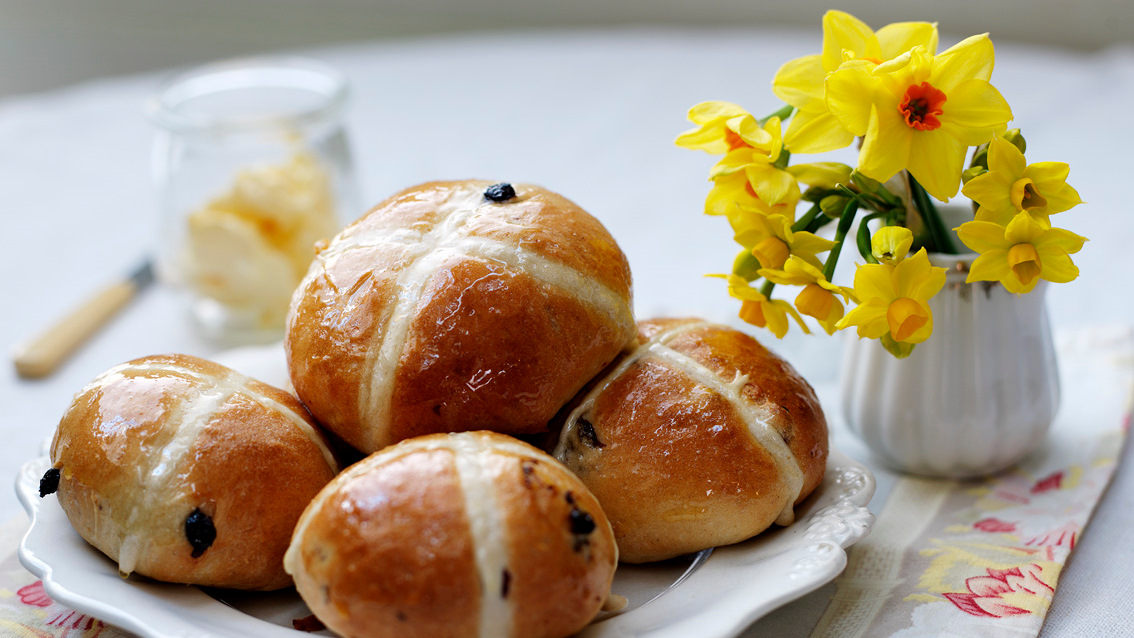
One of the quintessential Easter treats in England is the hot cross bun. These spiced, sweet buns adorned with a symbolic cross have been enjoyed for centuries, with their origins dating back to pagan times when the cross represented the four quarters of the moon. Traditionally eaten on Good Friday, it is said that sharing a hot cross bun with a friend ensures a lasting friendship. There’s even a popular nursery rhyme that immortalizes this delicious tradition: «Hot cross buns, hot cross buns, one a penny, two a penny, hot cross buns!»
Easter Eggs
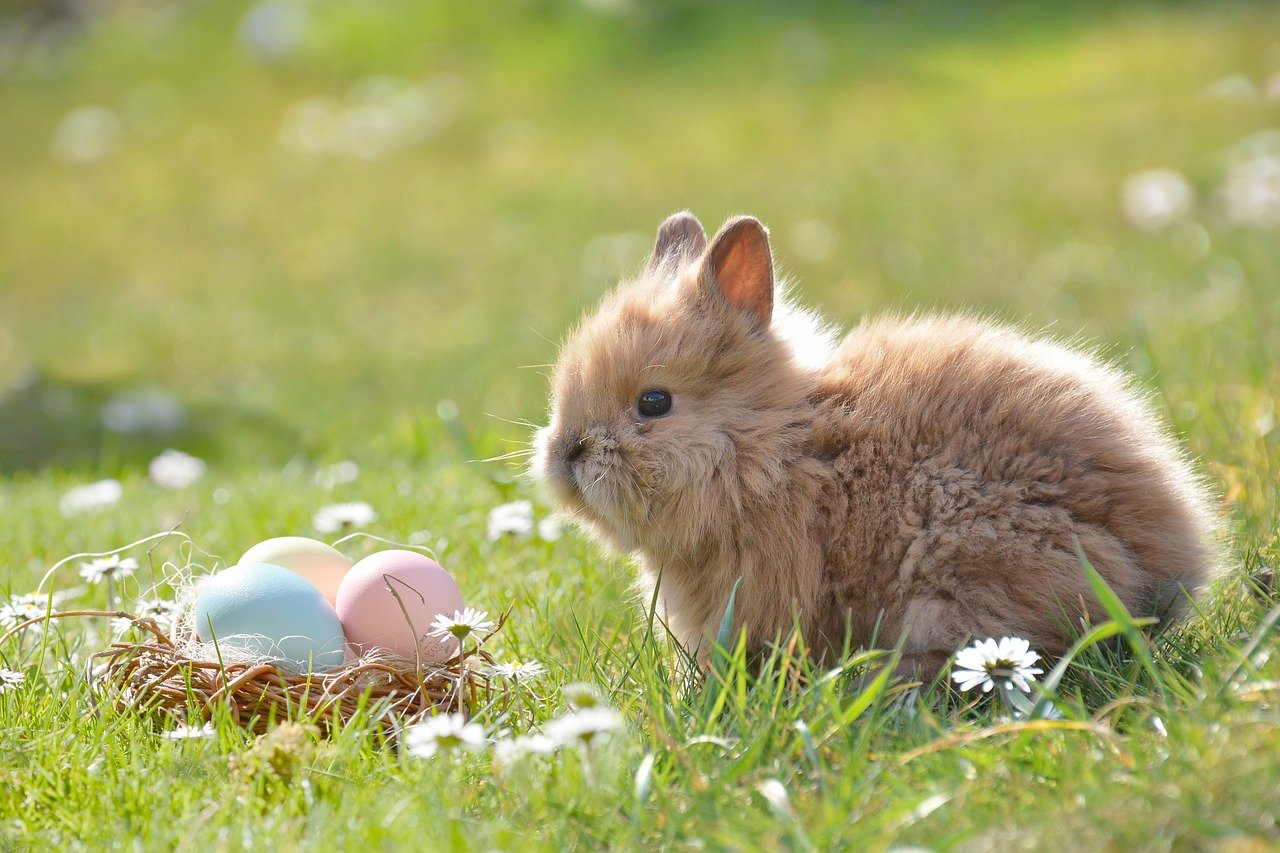
Easter wouldn’t be complete without the ubiquitous Easter egg. In England, as in many parts of the world, eggs symbolize new life and rebirth, making them a fitting emblem for the Easter season. The tradition of decorating eggs dates back centuries, with intricate designs adorning everything from chicken eggs to elaborately crafted chocolate eggs. Children eagerly anticipate Easter egg hunts, scouring gardens and parks in search of hidden treasures, while adults indulge in the art of egg painting and decorating.
Morris Dancing
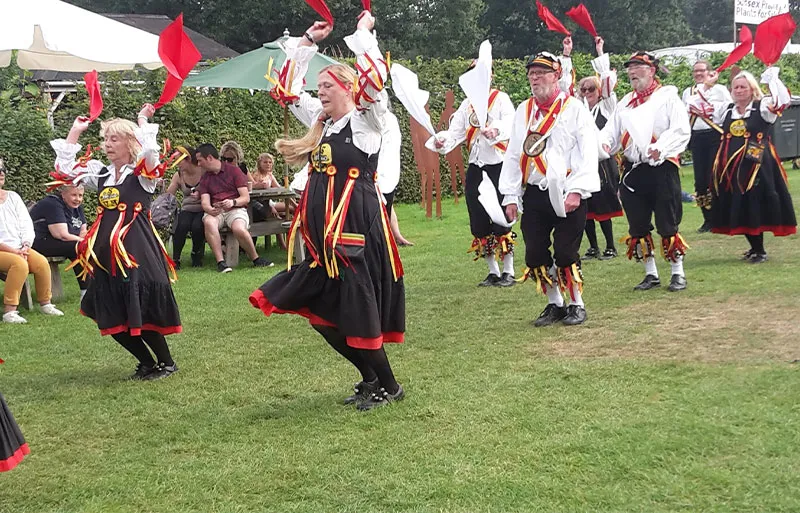
Easter heralds the arrival of spring, and what better way to celebrate than with Morris dancing? This lively and colorful folk dance has been a staple of English festivities for centuries, with dancers adorned in bells, ribbons, and elaborate costumes. Morris dancing is often performed during Easter processions and village celebrations, bringing communities together in a joyous display of tradition and camaraderie.
Pace Egg Play
In parts of northern England, particularly Yorkshire and Lancashire, the Pace Egg Play is a time-honored Easter tradition. Dating back to medieval times, this theatrical performance features colorful characters such as St. George, the Turkish Knight, and the fool Toss Pot, engaging in mock battles and comedic exchanges. The Pace Egg Play is performed in villages and towns, often outdoors, delighting audiences with its blend of humor, drama, and historical resonance.
Easter Bonnets
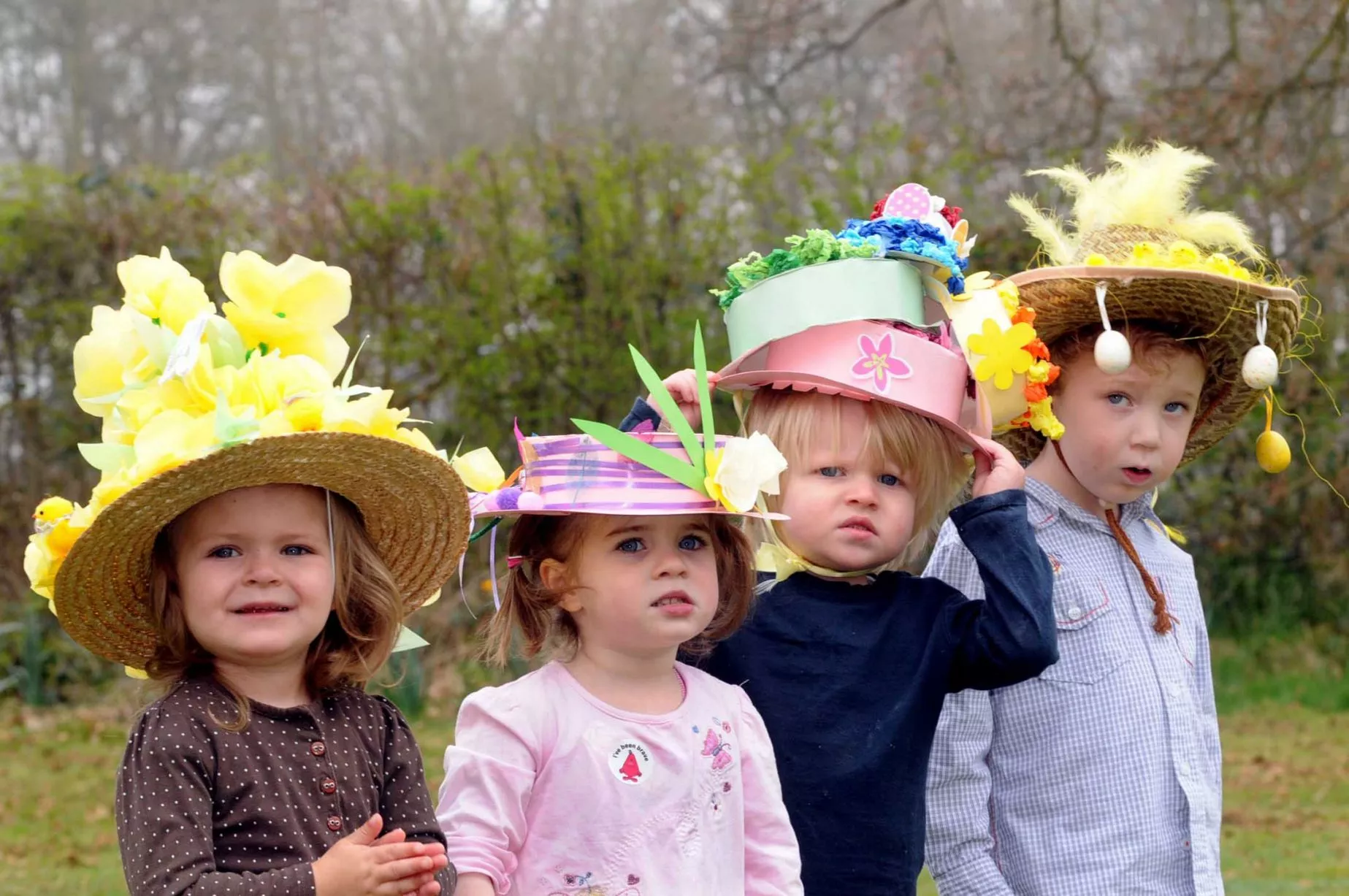
Easter Sunday wouldn’t be complete without the sight of ladies donning their finest attire, complete with elaborately adorned Easter bonnets. These ornate headpieces, adorned with flowers, ribbons, and feathers, are a whimsical nod to springtime fashion. In cities like London, Easter parades showcase a dazzling array of bonnets, with participants vying for the title of most extravagant creation.
Simnel Cake
No Easter feast in England would be complete without a slice of Simnel cake. This rich fruitcake, adorned with a layer of marzipan and topped with eleven marzipan balls representing the apostles (minus Judas), is a traditional Easter delicacy. Baked to perfection and infused with spices, dried fruit, and a hint of brandy, Simnel cake is a symbol of indulgence and celebration.
Tread the Green
In some parts of England, particularly in the West Country, the ancient custom of «Tread the Green» is observed on Easter Monday. This tradition involves walking around the boundaries of one’s parish or village, often accompanied by singing, dancing, and merriment. Tread the Green is believed to bring good luck and fertility to the land, ensuring a bountiful harvest in the coming months.

As Easter dawns upon the English countryside, it brings with it a sense of renewal, hope, and community spirit. From the solemn rituals of Good Friday to the joyous celebrations of Easter Sunday, this beloved holiday is a time to reflect on the past, embrace the present, and look forward to the promise of tomorrow. So whether you find yourself savoring a hot cross bun, admiring a beautifully decorated Easter egg, or joining in a spirited Morris dance, may your Easter be filled with warmth, laughter, and the simple pleasures of tradition.
Maria L.
I love it