
The London Underground, affectionately known as the Tube or subway, is not just a means of transportation; it’s a symbol of London itself. With its rich history and fascinating quirks, the Tube offers a journey through time and curiosity that goes far beyond its function as a transit system.
The Birth of the Tube
The London Underground is the world’s oldest underground railway system, and its history dates back to the 19th century. In 1863, the Metropolitan Railway opened the world’s first underground line, running from Paddington to Farringdon. The initial steam-powered trains belched smoke and were far from the sleek, electric vehicles we see today.
The Mind the Gap Announcement
«Mind the gap» is perhaps one of the most iconic phrases associated with the London Underground. It was first introduced in 1969 as a safety warning to passengers about the gap between the platform and the train. It has since become a quintessential part of the Tube experience.
The Hidden Rivers of London
As you travel through the Underground, you might not realize that you’re crossing over rivers beneath the bustling streets of London. Many of the Tube lines follow the paths of hidden rivers like the River Fleet and the Tyburn. In fact, during construction, engineers had to divert some of these rivers to accommodate the new subway system.
The Abandoned Stations
London’s underground is a labyrinth of tunnels, some of which lead to long-forgotten stations. For instance, the Aldwych Station, which closed in 1994, is occasionally open to the public for guided tours. It offers a glimpse into the past, complete with vintage advertisements and original fixtures.
Art in Transit
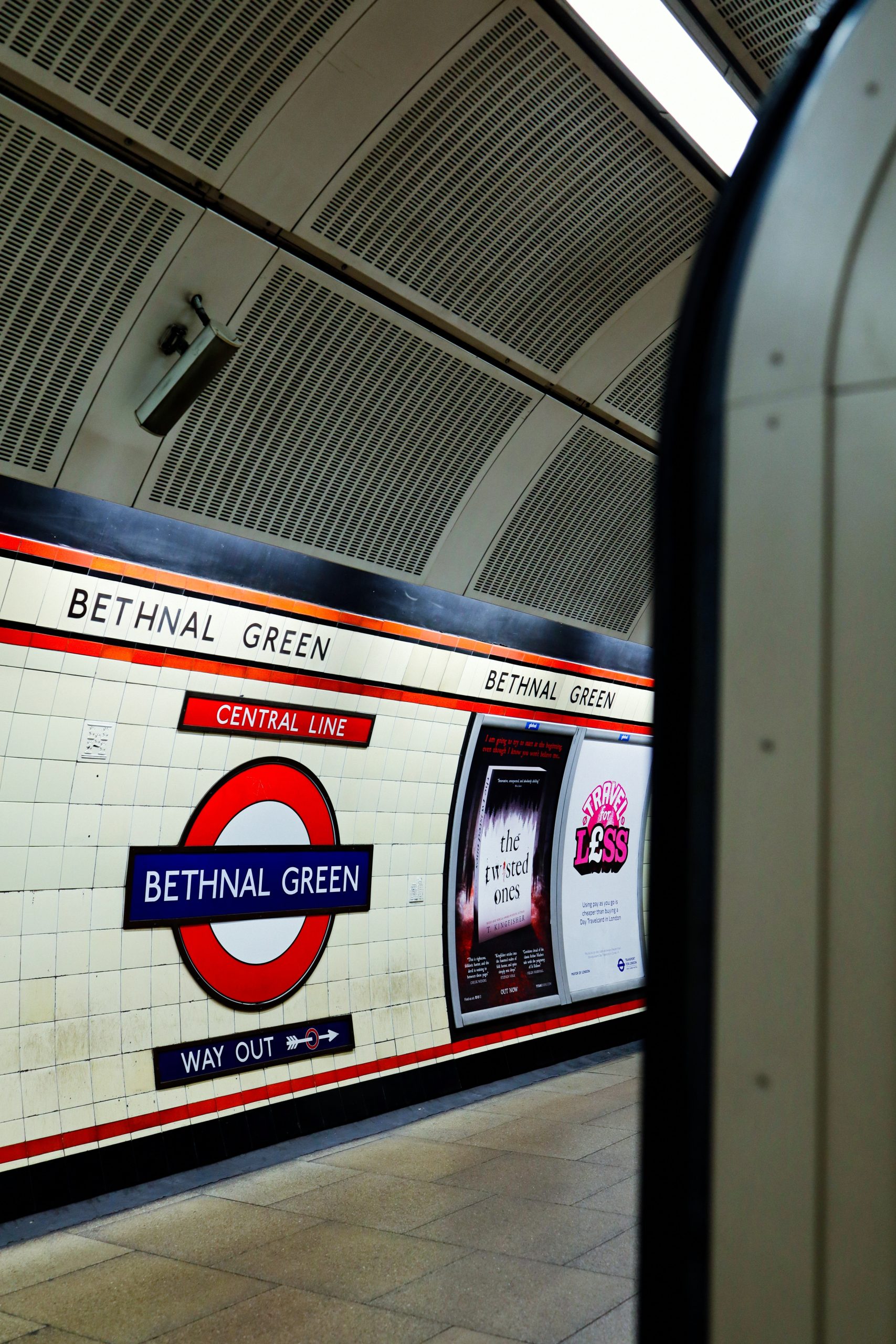
The Tube is not just a practical means of getting around; it’s also a gallery of public art. The Underground is home to an extensive collection of art, including sculptures, murals, and mosaics. The most famous, perhaps, is the intricate tile work at Tottenham Court Road station, designed by the renowned artist Eduardo Paolozzi.
The First Escalator
The London Underground introduced the world to the escalator. The first escalator, designed by Jesse W. Reno, was installed at Earl’s Court station in 1911. To make the concept less intimidating, staff handed out brandy to nervous passengers as they took their first rides.
Tube Map Design
Harry Beck, an engineering draftsman, revolutionized the way we navigate the London Underground. In 1931, he designed the famous Tube map, which simplified the complex network into a geometric diagram. Beck’s design has influenced subway maps worldwide.
The Roundel
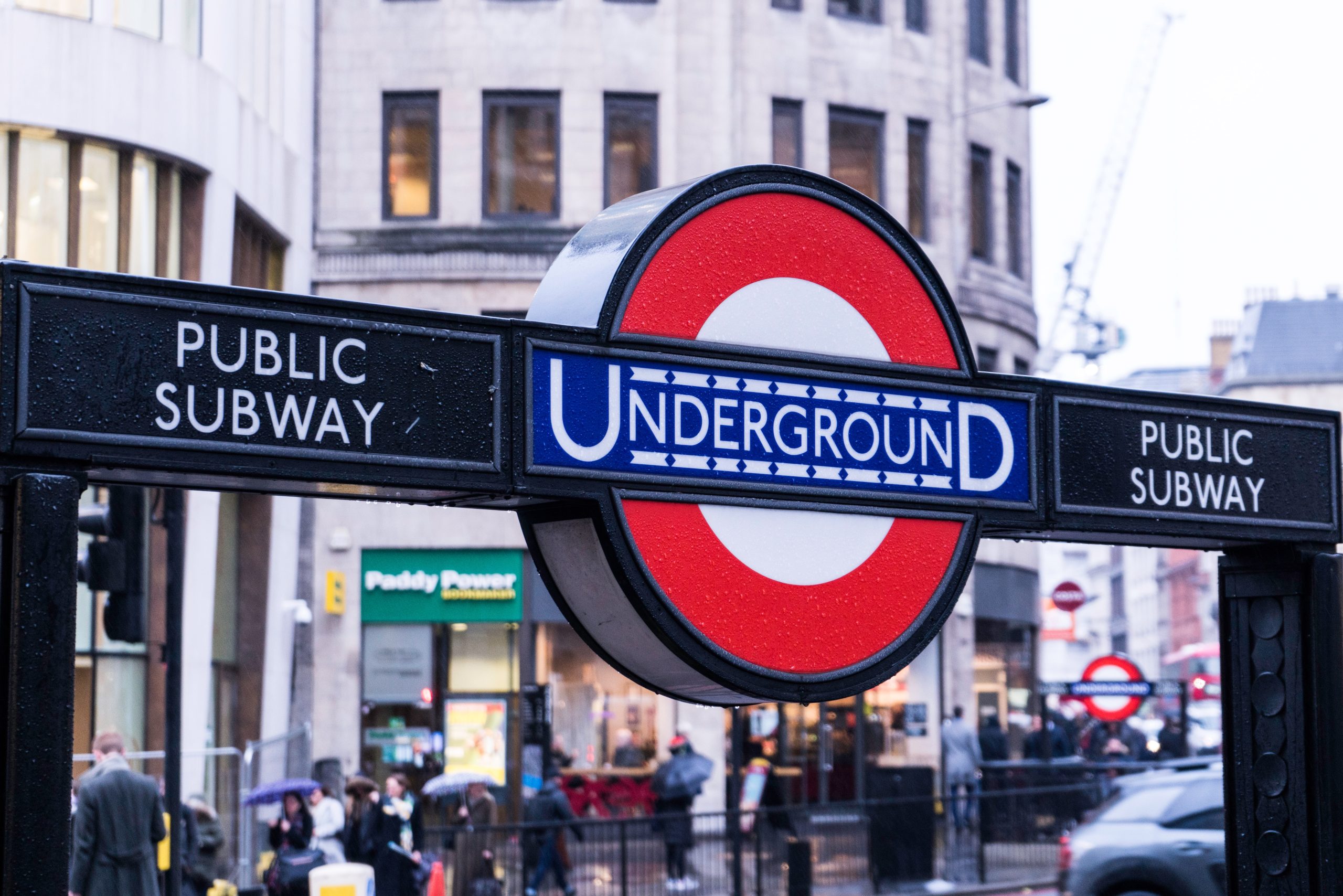
The London Underground’s iconic logo, known as the roundel, has a history dating back to 1908. Designed by calligrapher Edward Johnston, it features a red circle with a blue bar running through the middle. The roundel is now synonymous with the Tube and has become a symbol of London itself.
Tube Etiquette
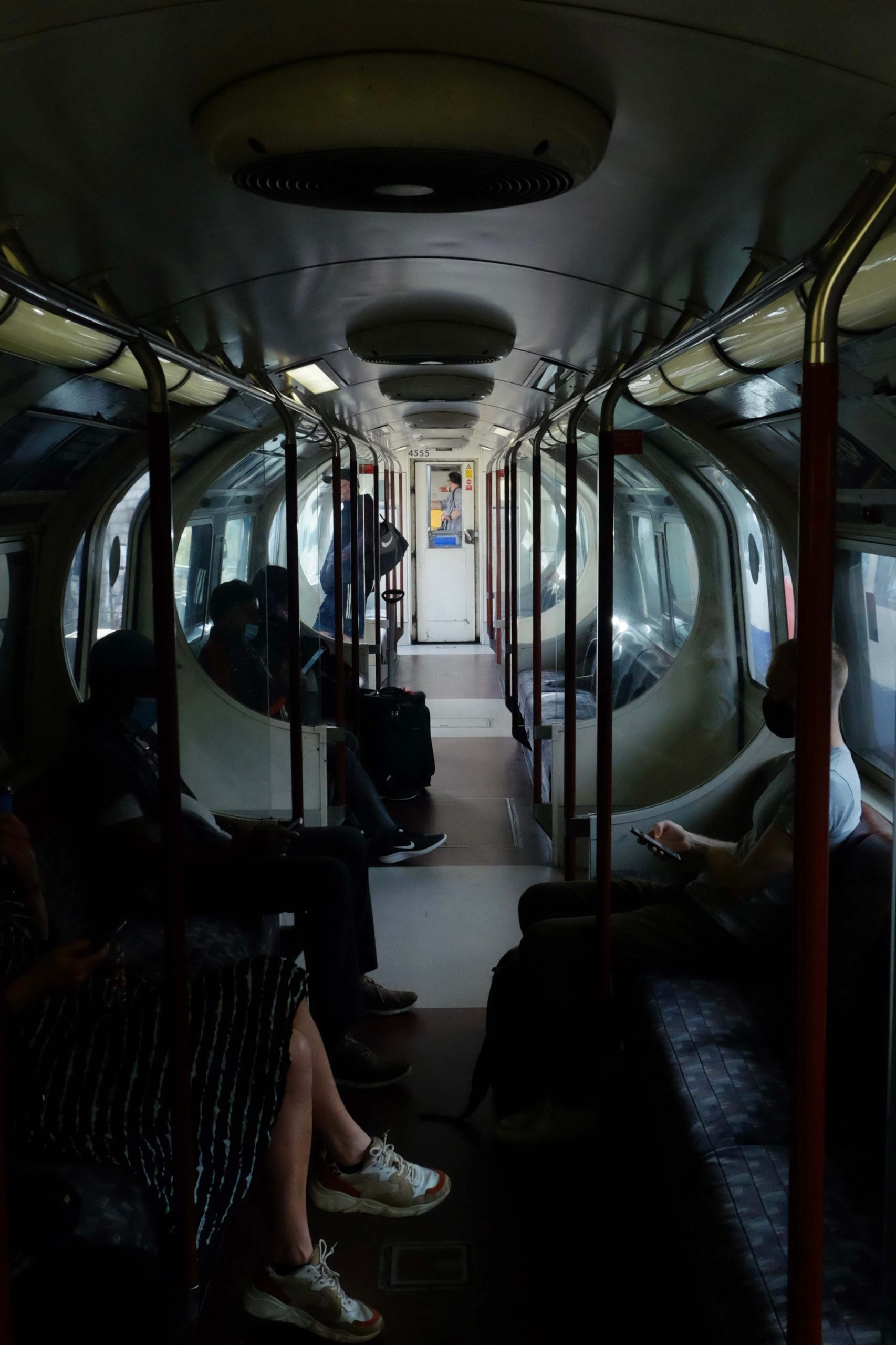
The Tube has its own set of unwritten rules and etiquette. Londoners are known for their courtesy when using the Underground. These rules include standing on the right side of the escalator to allow others to pass on the left and offering your seat to those in need, such as the elderly, disabled, or pregnant passengers.
The Tube in Pop Culture
The London Underground has made appearances in countless movies, books, and songs. From the suspenseful chase scenes in «Skyfall» to the poetic musings of The Jam’s «Down in the Tube Station at Midnight,» the Tube is a cultural icon that transcends its role as a transit system.
The London Underground is not just a transportation network; it’s a tapestry of history, art, and culture that weaves its way through the heart of London. As you travel beneath the city streets, remember that every station holds a piece of London’s past, and every journey is a unique experience filled with curiosities and tales waiting to be discovered. So, the next time you ride the Tube, take a moment to appreciate the rich history and hidden gems that make it so much more than just a subway system.
Maria L.